Features/Discover

Constraints and upside, the moment you look at a site.

UnlockLand turns a site's zoning and constraints into a buildable envelope — maximum GFA, unit counts, and the limits that bind them — so you know whether a parcel is worth your time in seconds, not weeks.

Request demo Explore platform

The discover phase's payoff — the rules become a number you can act on.
Development Potential · 412 Marsa Boulevard ENVELOPE RESOLVED
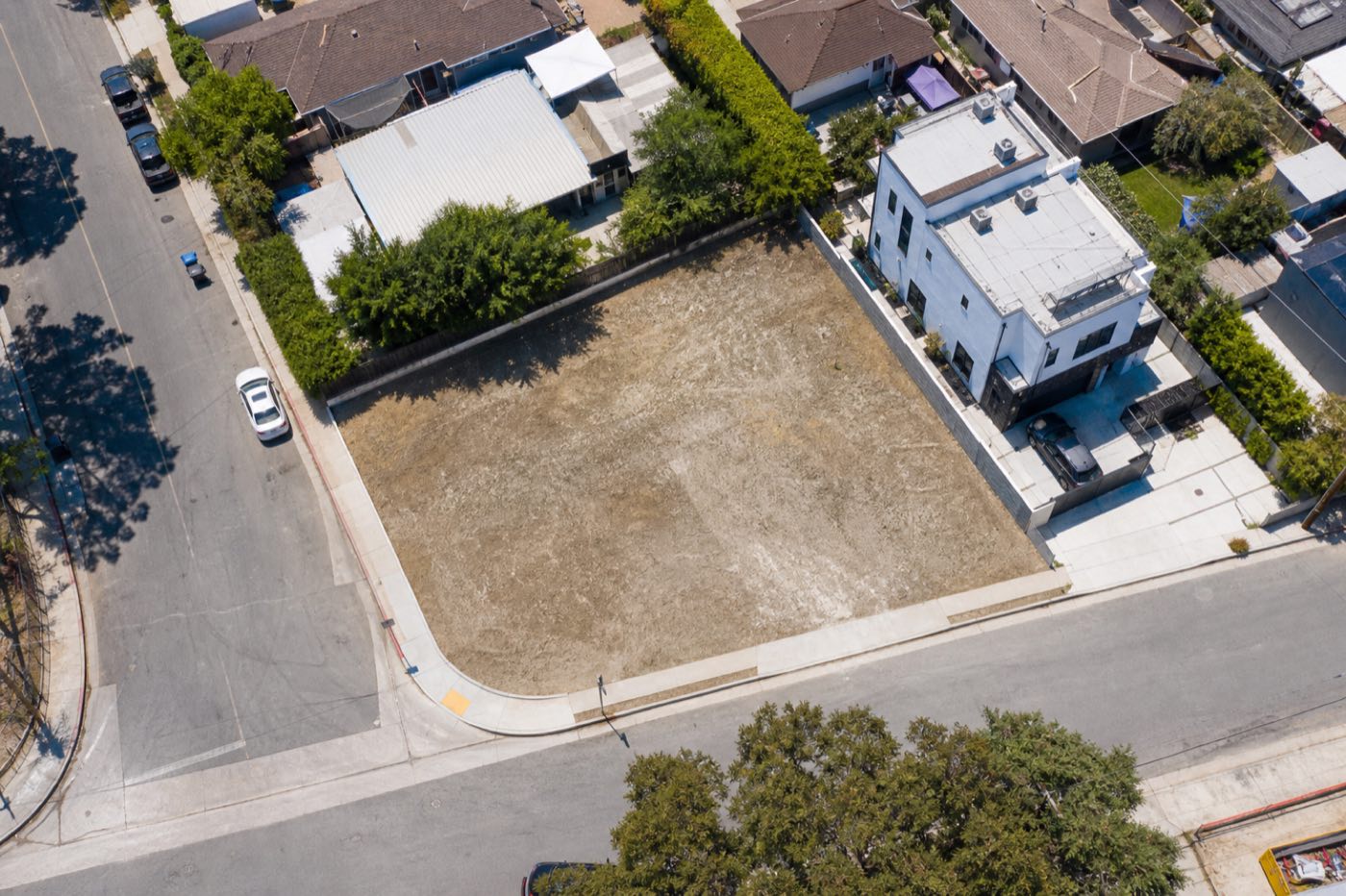
Aerial view of the vacant infill parcel at 412 Marsa Boulevard
Site · 412 Marsa Boulevard
Buildable envelope
31,400 sf
footprint
2.40 ac
lot area
30 %
coverage
Zoning summary · R-3
FAR
2.6
Max height
28m
Coverage
30%
Stories
8
Development potential
Max buildable GFA271,500 sf
Indicative units224
Footprint × 8 floors251,200 sf
Binding constraint · Height (8 floors)
FAR allows 271,500 sf but height caps massing at 251,200 sf — ~7% headroom unused.
Send to AI Planning

Illustrative interface — setbacks carve the lot into a buildable envelope, and the rules resolve into max GFA and units.

From rulebook to buildable envelope

Knowing the rules is only half the job — you need to know what they add up to. Development Potential math's the zoning against the parcel to show the envelope you can actually build, where the constraints bite, and how much headroom is left on the table.

Buildable envelope

Setbacks, height, and coverage resolve into the 3D space you can build — the footprint and massing the rules permit.

Maximum yield

FAR and density translate into max GFA and a likely unit count, so the upside is a number you can take to a model.

Binding constraints

The one limit actually capping the site is called out — so you know whether to push, redesign, or walk away.

How it works

STEP 1

Apply the constraints

Setbacks, height, FAR, coverage, and density are projected onto the parcel geometry to carve out the buildable envelope.

STEP 2

Calculate the yield

The envelope resolves into maximum GFA and an indicative unit count, with efficiency assumptions you can adjust.

STEP 3

Read upside vs. limits

See which constraint binds the site and how much potential is unused — the signal to advance, redesign, or pass.

Which rule is leaving value on the table

See the envelope in section — and exactly how much potential each constraint hands back. The binding limit is the one worth fighting for.

Massing · cross-section
Height cap · 28m 8 floors setback setback

Achieved 25.6m of a 28m cap — last floor stops short of the FAR allowance.

Headroom by constraint
FAR (2.6)271,500 sf allowed
Coverage (30%)251,200 sf
Height (28m) · binds251,200 sf
Achieved
251.2k sf
Unused
20.3k sf
A height variance to 31m would unlock the remaining FAR — worth pursuing only if the upside clears the entitlement cost.

What goes in, what comes out

You provide
  • A rules profile from Zoning Intelligence
  • Optional: target use and unit type
  • Optional: efficiency or floor-plate assumptions
UnlockLand returns
  • Buildable envelope footprint & massing
  • Maximum GFA and indicative unit count
  • The binding constraint and unused headroom
  • A quantified site ready for AI Planning

Where it fits in the workflow

Development Potential closes the discover phase. It takes the rules decoded in Zoning Intelligence and hands a quantified envelope to AI Planning, where the machine starts proposing real schemes against your numbers.

Before
Zoning Intelligence
Decode the rules that govern the lot.
Next
AI Planning
Generate massing, yield & unit-mix.
Platform
See the full workflow
How discovery connects to decisions.

Ready to compare plans? See pricing.

Know the upside before you commit.

Request a demo to get a buildable read on your first site in minutes — Talk to our team to get started.