Features/Underwrite

Find out where the deal breaks — before the market does.

Move costs, rents, prices, rates, and timing and watch your returns respond. UnlockLand Sensitivity Analysis pressure-tests every assumption so you know exactly how much room a deal has.

Request demo Explore platform

The risk lens of underwriting — turn a single answer into a range of outcomes.
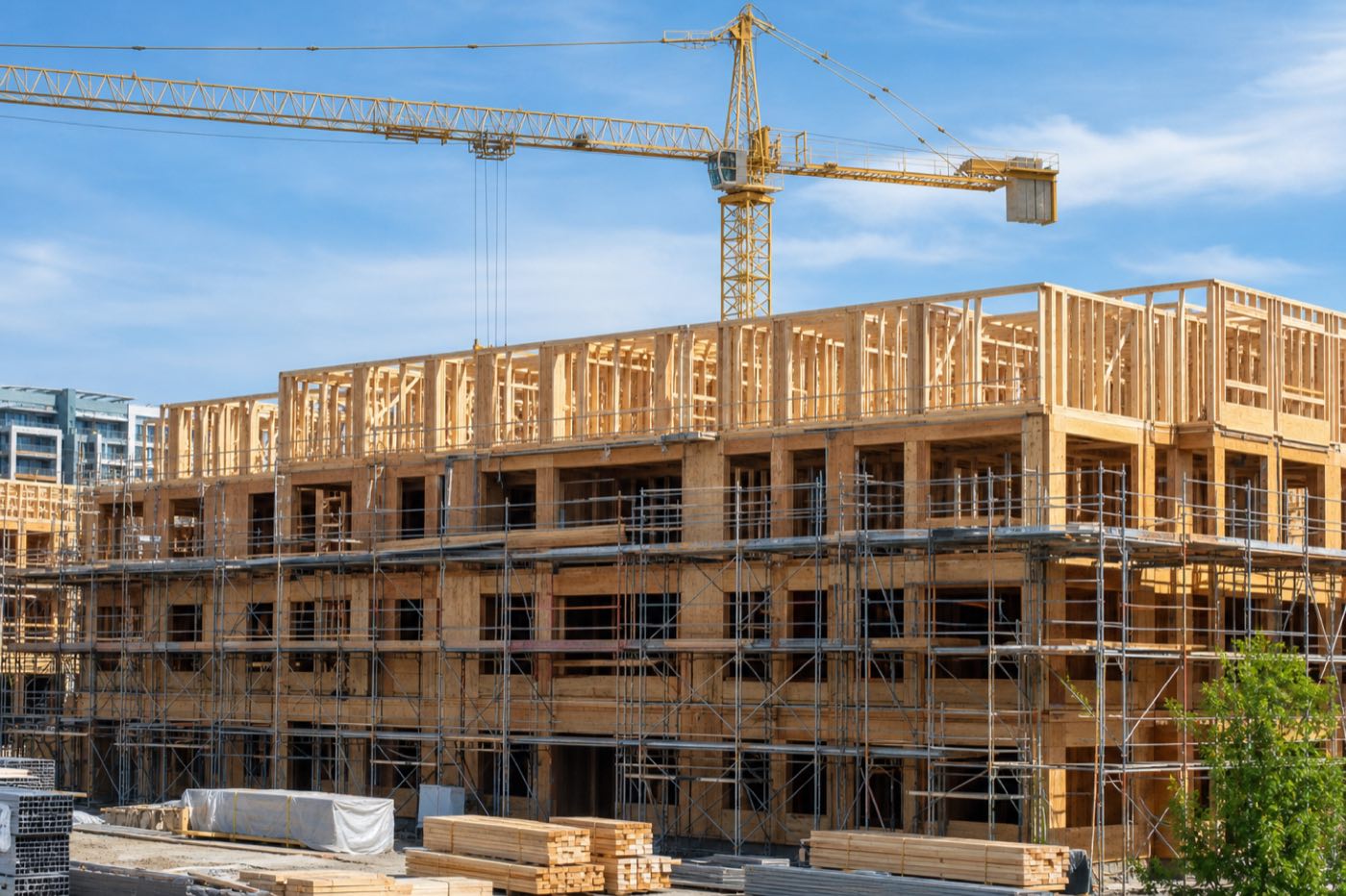
Wood-framed mid-rise building under construction with a tower crane
Base-case IRR
21.4%
Cost buffer to hurdle
8%
Sensitivity · Riyadh Sedra Ext (Ph 4–6) Output · Levered IRR ±1 STD INPUTS
Base-case IRR
21.4%
Downside input Upside input
Drivers ranked by impact on IRR
Sale price ±5% 16.1 26.8
Build cost ±8% 15.4 25.7
Sales pace ±25% 17.9 24.9
Senior rate ±100 bps 18.9 23.6
Timeline +6 / −3 mo 17.5 22.5
12%21.4% base30%
Sale price and build cost drive 71% of the variance — focus diligence there first.

Illustrative interface — each bar flexes one input ±1 standard move while holding the rest at base.

One model, every plausible outcome

A base case is one guess about the future. Sensitivity Analysis takes your funded model and flexes the assumptions that move the needle — so you arrive at committee with a downside you can defend, not a single number you hope holds.

Drivers ranked

A tornado view ranks which inputs swing returns the most — so you focus diligence where the deal is actually exposed.

Scenarios saved

Build base, upside, and downside cases — or a two-variable grid — and keep them side by side as the deal evolves.

Break-evens found

See the cost overrun, price drop, or rate rise that takes the deal to zero profit — and how much cushion sits before it.

How it works

STEP 1

Pick the variables

Choose what to flex — construction cost, sales price or rent, interest rate, exit yield, or program timing. Start from your funded model in one click.

STEP 2

Set the ranges

Define plus/minus swings or absolute values, single-variable or in a two-way grid. UnlockLand re-runs the full pro-forma for every combination.

STEP 3

Read the risk

A tornado chart ranks the biggest drivers, sensitivity tables show IRR and profit across the range, and break-evens mark where the deal turns.

Two variables, one map of the deal

Flex sale price against build cost and read the IRR in every cell. The green zone is where the deal works; the red corner is where it breaks — and you can see exactly how far the base case sits from the edge.

IRR data table · sale price × build cost Levered IRR · %
Sale price vs. plan →
Build cost vs. plan
−8%
−4%
Base
+4%
+8%
−8%
18.0
22.3
26.6
30.9
35.2
−4%
15.4
19.7
24.0
28.3
32.6
Base
12.8
17.1
21.4
25.7
30.0
+4%
10.2
14.5
18.8
23.1
27.4
+8%
7.6
11.9
16.2
20.5
24.8
Lower IRR Higher IRR
Base case · 21.4% · 8% cost buffer before the hurdle

What goes in, what comes out

You provide
  • A funded financial model or structured deal
  • The variables to test: cost, price/rent, rate, timeline
  • Swing ranges or scenario values for each variable
  • Optional: target IRR or profit thresholds to flag against
UnlockLand returns
  • A tornado chart ranking return drivers
  • Sensitivity tables and one- or two-way grids
  • Base, upside, and downside cases side by side
  • Break-even points and the margin of safety on each input

Where it fits in the workflow

Sensitivity Analysis is the final check before you commit to a view. It takes the structured deal from the Capital Stack and hands a tested, range-bound case to your Investment Memo.

Before
Capital Stack
The structured deal to test.
Next
Investment Memos
Carry the downside into the write-up.
Related
Return Analysis
Read the base-case metrics in depth.
Platform
See the full workflow
How risk connects to decisions.

Ready to compare plans? See pricing.

Know your downside. Commit with confidence.

Request a demo to stress-test your first deal in minutes — Talk to our team to get started.